
Essential Guide to Common Crop, Vegetable, and Fruit Diseases
“Common crop diseases to keep an eye for”
Common crop diseases
Maintaining a healthy, high-yielding harvest requires constant vigilance against destructive pathogens. Across North America, fluctuating weather patterns can trigger sudden disease outbreaks. Recognizing the early warning signs across your fields, vegetable beds, and orchards ensures you can deploy targeted treatments before losing valuable yield.
Row Crops
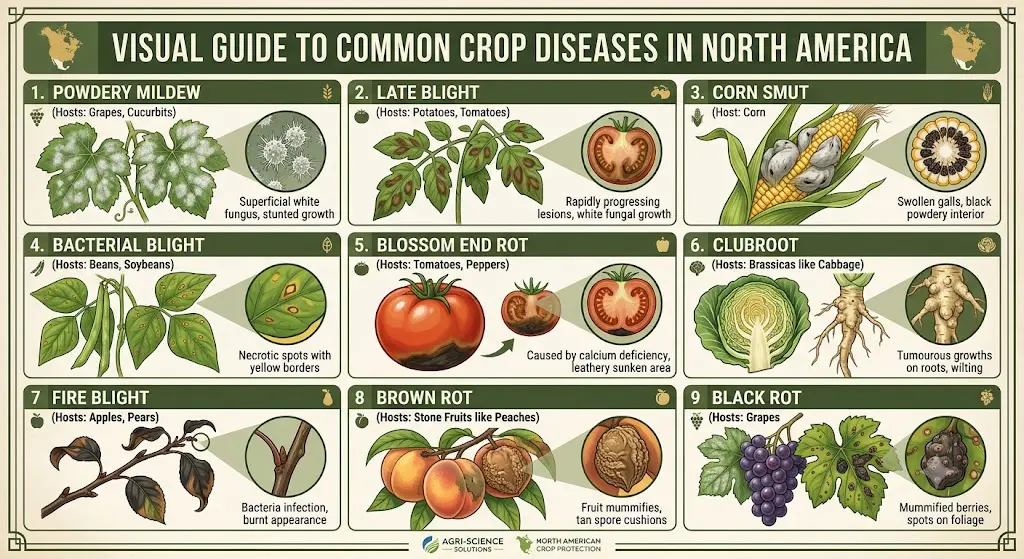
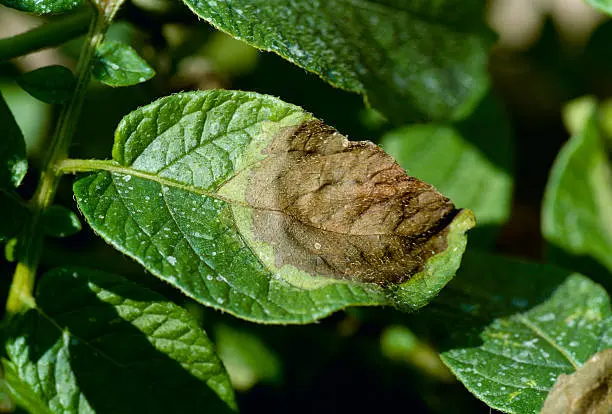
1. Late Blight (Fungal)
- Target Crops: Potatoes and tomatoes.
- Why & When: Driven by the fungus-like oomycete Phytophthora infestans, late blight thrives during cool, wet, and highly humid periods—typically in mid-to-late summer.
- Identification & Management: Look for large, irregular water-soaked lesions on leaves that rapidly turn brown or black, often accompanied by a white, fuzzy fungal growth on the undersides during humid mornings. Tubers and fruits develop dark, corky rot. To address late blight, remove and destroy infected plant debris completely. Apply preventative copper-based fungicides when weather forecasts predict prolonged damp conditions, and always plant certified disease-free seed pieces.
2. Bacterial Blight
- Target Crops: Beans, soybeans, and several pulse crops.
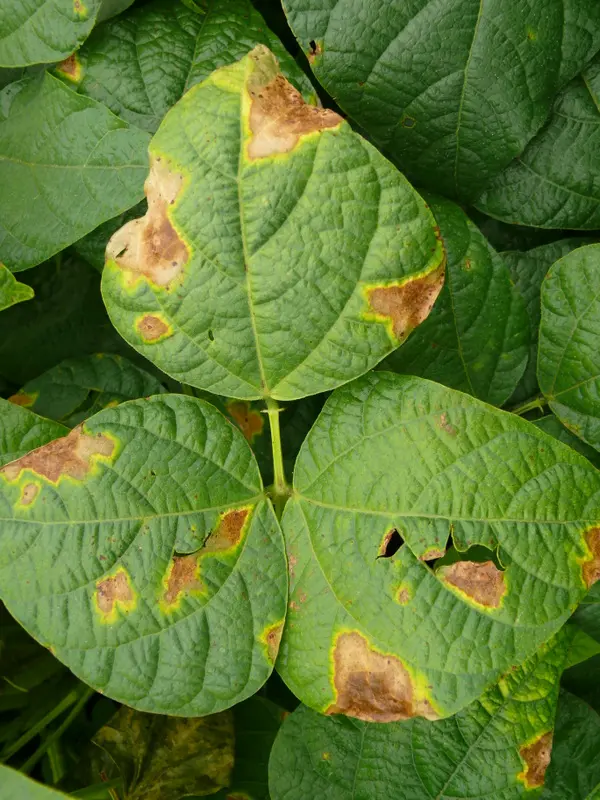
- Why & When: This bacterial infection spreads rapidly during warm, wet weather. It is frequently introduced via infected seeds or carried across fields by wind, driving rain, and overhead irrigation splashing onto foliage.
- Identification & Management: Infected plants display small, water-soaked spots on leaves that eventually expand into irregular brown lesions surrounded by a distinct lime-yellow halo. Prevent outbreaks by avoiding fieldwork when fields are wet to minimize spreading bacteria. Rotate crops with non-hosts for at least two years, and utilize resistant seed varieties.
3. Corn Smut (Fungal)
- Target Crops: Sweet corn and field corn.
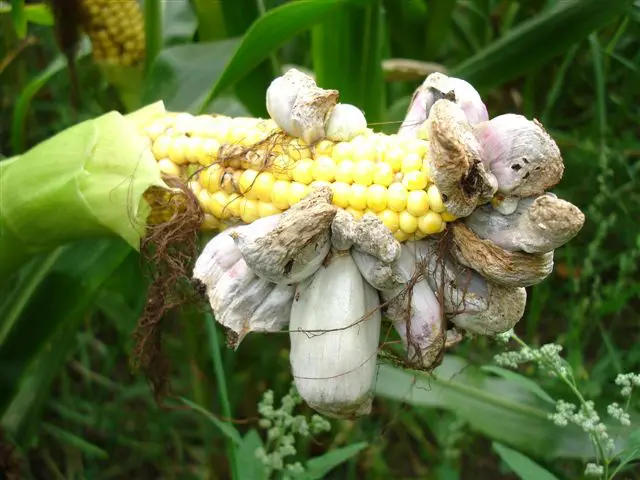
- Why & When: Caused by the fungus Ustilago maydis, corn smut intensifies following hot, dry spring conditions followed by heavy rain. The fungus easily enters plants through tissue damaged by hail, wind, or mechanical cultivation machinery.
Identification & Management: The disease is unmistakable: prominent, fleshy, greyish-white galls or tumors swell on corn cobs, tassels, leaves, or stalks. Over time, these galls rupture to release millions of dark, powdery black spores that overwinter in the soil. Commercial growers should cut away and bury galls before they burst. Optimize nitrogen fertilization, minimize mechanical injury to stalks, and plant hybrids specifically bred for smut resistance.
Vegetable Crops
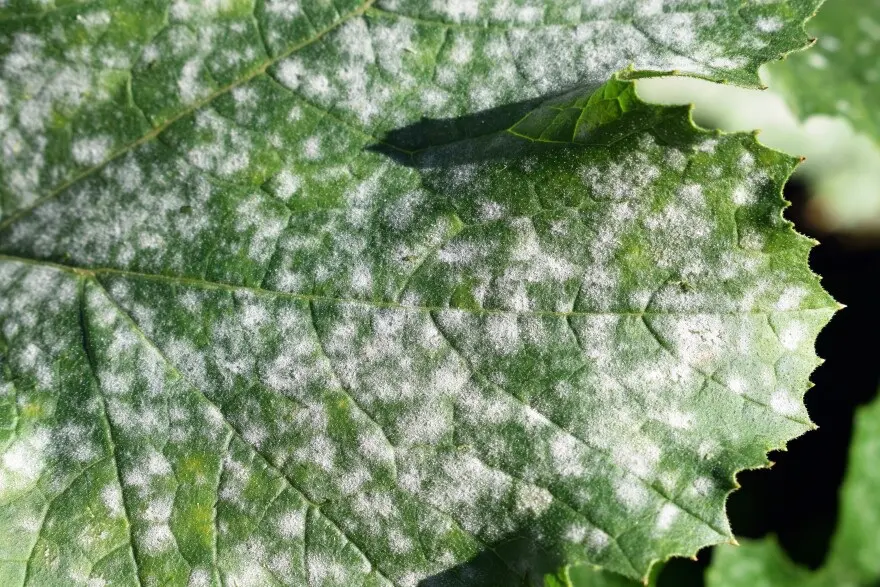
- Powdery Mildew (Fungal)
- Target Crops: Cucurbits (pumpkins, squash, cucumbers, melons) and tomatoes.
- Why & When: Thrives in warm, dry day climates with high relative humidity at night. Unlike most fungi, it does not require standing water on leaves to infect. It typically peaks in mid-to-late summer as vine canopies become dense.
- Identification & Management: Appears as white, talcum-powder-like spots on the tops of leaves, stems, and fruit. Over time, leaves turn yellow, brown, and drop prematurely. Manage it by maximizing plant spacing for airflow, planting resistant varieties, and applying preventative sulfur or potassium bicarbonate sprays.
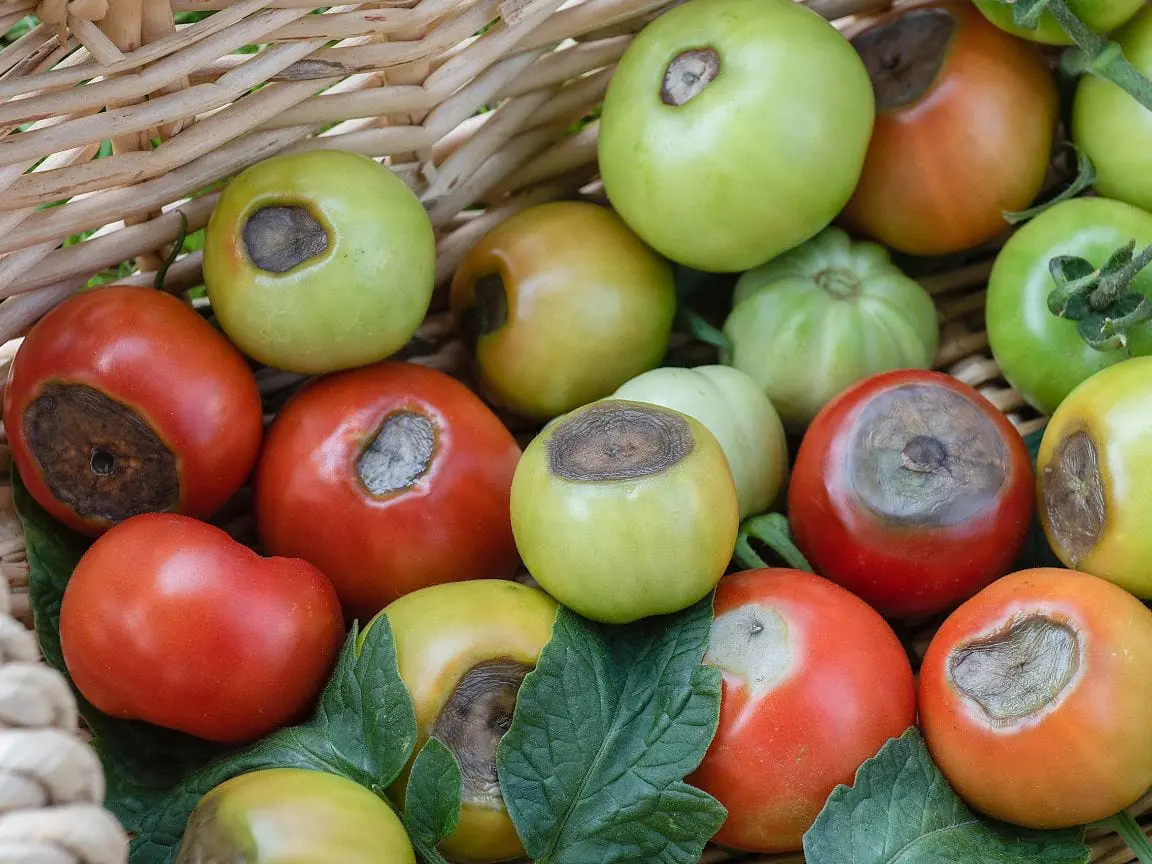
- Blossom End Rot (Physiological/Environmental)
- Target Crops: Tomatoes, peppers, and eggplants.
- Why & When: Caused by a calcium deficiency within the developing fruit, usually triggered by inconsistent watering, heavy rains, or drought spikes that disrupt nutrient uptake during early fruit set.
- Identification & Management: Starts as a small, water-soaked spot at the blossom end (bottom) of the fruit. The spot expands into a large, flat, black, or leathery sunken area. To address this, maintain consistent soil moisture through mulching and regular irrigation. Avoid over-fertilizing with high-nitrogen mixes, which stall calcium movement.
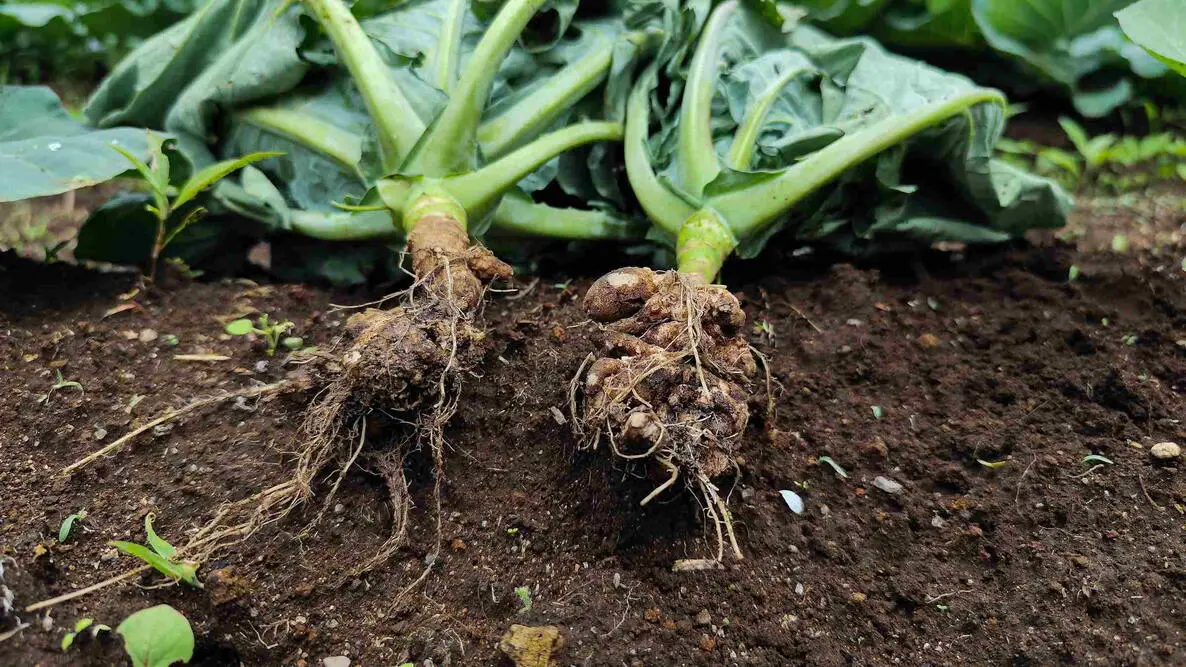
- Clubroot (Soil-borne Protist)
- Target Crops: Brassicas (cabbage, broccoli, cauliflower, kale, and radishes).
- Why & When: Caused by Plasmodiophora brassicae, which thrives in acidic, wet, and poorly drained soils. The pathogen forms resting spores that can survive in the dirt for over a decade.
- Identification & Management: Above ground, plants look stunted, turn yellow, and wilt during warm days. Below ground, the roots swell, distort, and form club-like galls that restrict water intake. Address clubroot by raising soil pH above 7.2 using lime, improving drainage, and practicing strict multi-year crop rotations.
Fruit Trees & Vines
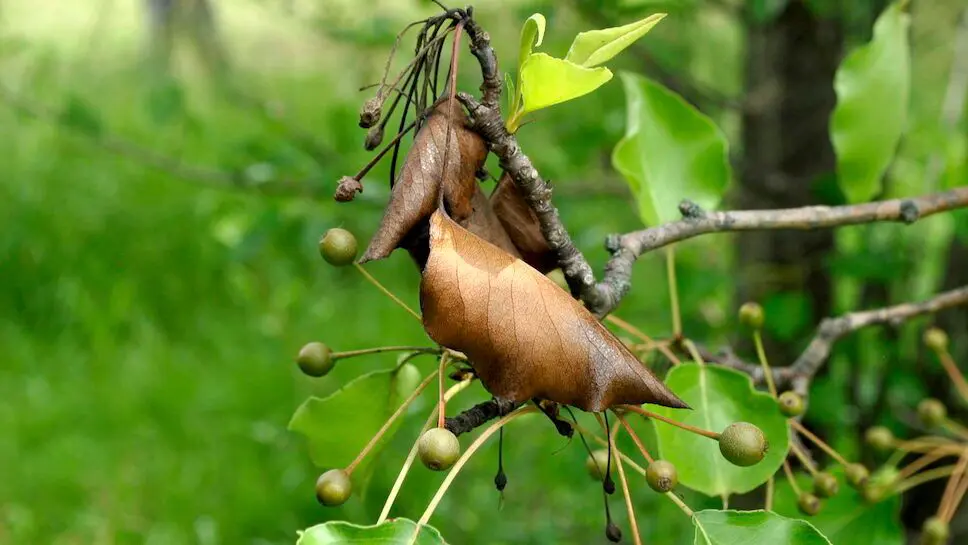
- Fire Blight (Bacterial)
- Target Crops: Pome fruits, primarily apples and pears.
- Why & When: Driven by the bacterium Erwinia amylovora, fire blight strikes in spring during warm, rainy, or highly humid weather when trees are blooming. Open blossoms provide the perfect entry point for the bacteria, which are spread by wind, rain, and bees.
- Identification & Management: Infected blossoms, leaves, and twigs rapidly wilt and turn deep brown or pitch black, looking as if they have been scorched by fire. Twig tips often bend downward into a characteristic “shepherd’s crook” shape. To address fire blight, prune out infected branches during the dormant winter season, cutting at least 8 to 12 inches below the visible damage. Dip tools in a 10% bleach or rubbing alcohol solution between every single cut to prevent spreading the bacteria.
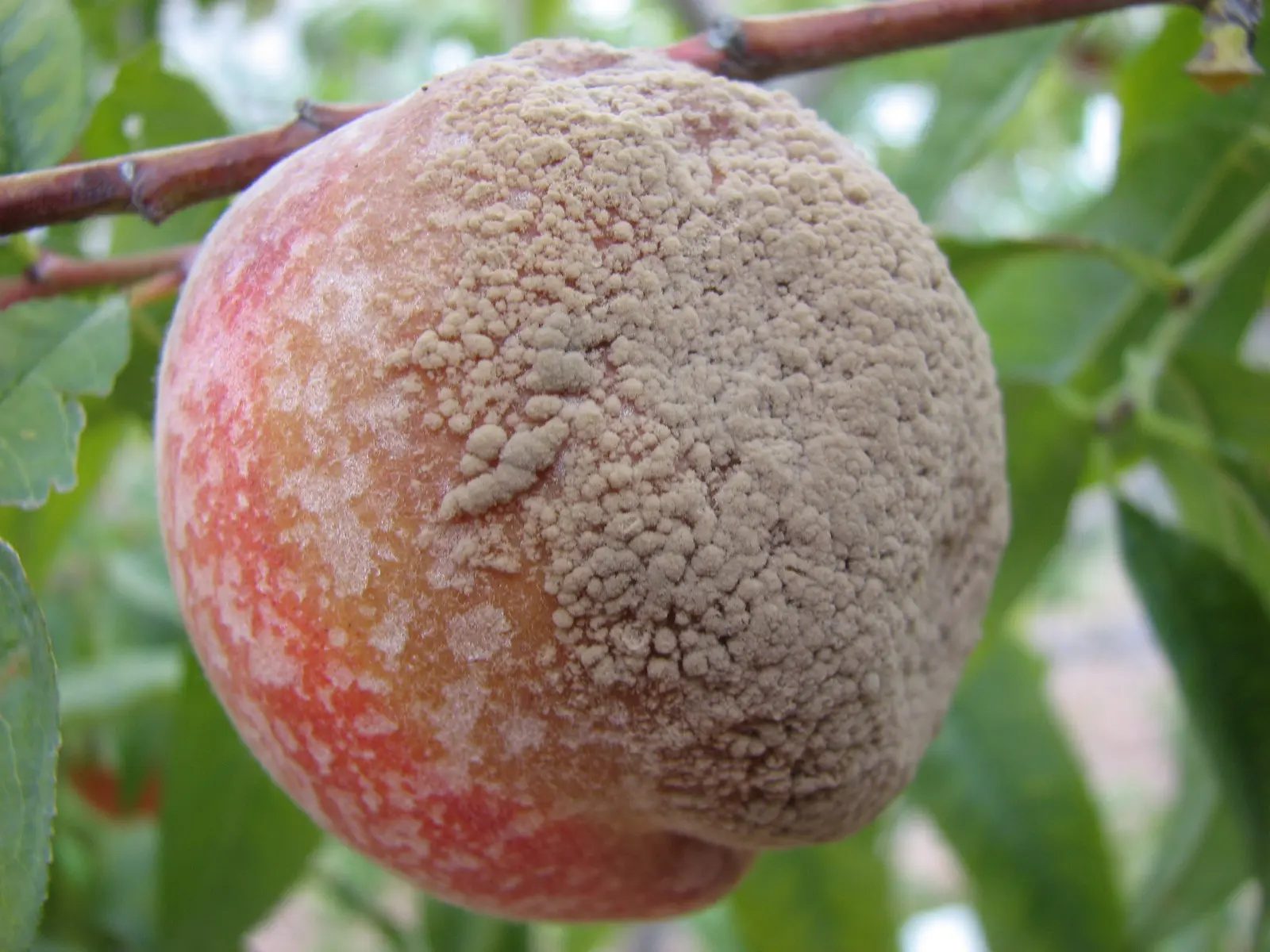
- Brown Rot (Fungal)
- Target Crops: Stone fruits, including peaches, plums, cherries, and apricots.
- Why & When: Caused by Monilinia species, this destructive fungus thrives in wet, warm spring weather. It overwinters in mummified fruits left hanging on the tree or rotting on the orchard floor.
- Identification & Management: In spring, blossoms turn brown and wither. As the fruit ripens, it develops rapidly expanding, firm brown spots covered in powdery, tan-to-grey spore tufts. The fruit eventually shrivels into a hard “mummy.” Manage brown rot by removing all dropped and mummified fruit from the orchard, thinning out fruit clusters to improve airflow, and applying labeled fungicides starting at blossom time if wet weather persists.
- Black Rot (Fungal)
- Target Crops: Grapes.
- Why & When: Caused by the fungus Guignardia bidwellii, this disease intensifies during warm, humid summers with frequent rainfall. It can destroy an entire crop if left unchecked.
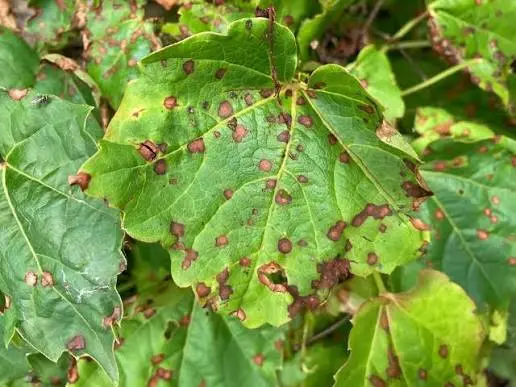
- Identification & Management: Early signs appear on leaves as small, cream-colored circular spots with dark brown borders. As the berries grow, they develop small, sunken black dots that quickly expand until the entire grape rots, turns black, and shrivels into a wrinkled mummy covered in tiny, pimple-like fruiting bodies. Address black rot by selecting sun-exposed planting sites and training vines upward to maximize air circulation. Destroy infected canes and mummified clusters during winter pruning.
Proactive Farm Protection
Early detection remains your most effective defense against agricultural diseases. Keep records of seasonal weather shifts, practice diligent crop rotation, and clear out fallen plant debris or overwintered fruit to interrupt pathogen life cycles. Focus on drip irrigation rather than overhead watering to keep foliage dry, and consult your local agricultural extension service to tailor your integrated pest management (IPM) strategies to your specific regional conditions.
Questions? Email us: account@bhoomiapp.com
Free Trial Available. Cancel anytime.
Experience the simplicity and power of BHOOMI